• Notes on Lannuier Family Tree, Loraine Waxman Pearce Collection
    Lorraine Waxman Pearce
    documents
    staff
    Residence staff
    This document showcases handwritten notes from White House Curator Lorraine Waxman Pearce on the family tree of Charles Honoré Lannuier presumably using Savannah and New York records. Charles Honoré Lannuier (1779–1819) was a French cabinetmaker who has a number of pieces in the White House Collection. A guéridon (small, circular French table) he designed is often on display in the Red Room. This document is part of the Lorraine Waxman Pearce Collection. Lorraine Waxman Pearce served as the first White House Curator from 1961 to 1962. As curator, she oversaw refurbishment projects, implemented collections policies, and collaborated with First Lady Jacqueline Kennedy to write the first White House guidebook—a joint publication of the National Geographic Society and the White House Historical Association. Since its original publication in 1962, “The White House: An Historic Guide” has been revised, updated, and printed for over 60 years.
  • Possible Speech, Lorraine Waxman Pearce Collection
    Lorraine Waxman Pearce
    documents
    speeches & lectures
    staff
    Residence staff
    This document is of, possibly, a speech from a presentation on White House history, art, and furniture. Starting on a page with the page number "19" through "25," the document contains paragraphs with "[SLIDE]" comments that suggest it is part of a larger presentation. The speech was likely given by White House Curator Lorraine Waxman Pearce. This document is part of the Lorraine Waxman Pearce Collection. Lorraine Waxman Pearce served as the first White House Curator from 1961 to 1962. As curator, she oversaw refurbishment projects, implemented collections policies, and collaborated with First Lady Jacqueline Kennedy to write the first White House guidebook—a joint publication of the National Geographic Society and the White House Historical Association. Since its original publication in 1962, “The White House: An Historic Guide” has been revised, updated, and printed for over 60 years.
  • Lorraine Waxman Pearce Collection Compilation
    White House Historical Association
    vases
    staff
    restoration
    construction & maintence
    china
    White House Collection
    WHHA
    State Floor
    State Dining Room
    Roosevelt Room
    Blue Room
    Map Room
    Ground Floor
    Residence staff
    documents
    This composite is a compilation of materials from the Lorraine Waxman Pearce Collection and other sources. Lorraine Waxman Pearce served as the first White House Curator from 1961 to 1962. This composite may only be used for press and publicity purposes related to the collection. All other uses must be approved by the White House Historical Association in writing.
  • "French Influence on American Decorative Arts of the Early Nineteenth Century," Lorraine Waxman Pearce Collection
    Lorraine Waxman Pearce
    documents
    staff
    Residence staff
    This thesis titled “French Influence on American Decorative Arts of the Early Nineteenth Century: The Work of Charles-Honoré Lannuier" was written by Lorraine Waxman Pearce to the University of Delaware in June 1958. The thesis analyzes the influence of France on America's decorative arts through the lens of émigré cabinetmaker Charles Honoré Lannuier and the emergence of the Empire style in the United States in the early nineteenth century. Pearce graduated with a Masters of Arts degree from the Winterthur Program in Early American Culture—a partnership between the Winterthur Museum and the University of Delaware. During her time in graduate school, Pearce worked as a registrar at the Winterthur Museum where she met its founder, Henry Francis du Pont. Shortly after President John F. Kennedy’s inauguration, First Lady Jacqueline Kennedy took steps towards preserving the historic integrity of the White House and appointed du Pont as the chair of the newly established Fine Arts Committee of the White House in 1961. Upon du Pont's recommendation, Mrs. Kennedy hired Lorraine Waxman Pearce as the inaugural White House Curator that same year. Pearce joined the White House in March of 1961. As curator, she oversaw refurbishment projects, implemented collections policies, and collaborated with Mrs. Kennedy to write the first White House guidebook—a joint publication of the National Geographic Society and the White House Historical Association. Since its original publication in 1962, “The White House: An Historic Guide” has been revised, updated, and printed for over 60 years. This thesis is part of the Lorraine Waxman Pearce Collection. Lorraine Waxman Pearce served as the first White House Curator from 1961 to 1962.
  • "Aspects of the American Decorative Arts Museum," Lorraine Waxman Pearce Collection
    Lorraine Waxman Pearce
    staff
    documents
    Residence staff
    speeches & lectures
    This is a lecture titled “Aspects of the American Decorative Arts Museum” written by White House Curator Lorraine Waxman Pearce. A decorative arts scholar, Pearce graduated from the Winterthur Program in Early American Culture at the University of Delaware in 1958. Shortly after President John F. Kennedy’s inauguration, First Lady Jacqueline Kennedy took steps towards preserving the historic integrity of the White House. In 1961, she created the Fine Arts Committee for the White House, established the White House Historical Association, and hired the first White House Curator—Lorraine Waxman Pearce. Pearce joined the White House in March of 1961. As curator, she oversaw refurbishment projects, implemented collections policies, and collaborated with Mrs. Kennedy to write the first White House guidebook—a joint publication of the National Geographic Society and the White House Historical Association. Since its original publication in 1962, “The White House: An Historic Guide” has been revised, updated, and printed for over 60 years. During her time in the White House, Pearce spoke at society luncheons, academic seminars, and other engagements about the White House restoration project. After her resignation from the White House, Pearce taught private fine and decorative art history classes in Washington, D.C. This lecture is part of the Lorraine Waxman Pearce Collection. Lorraine Waxman Pearce served as the first White House Curator from 1961 to 1962.
  • "Classical Taste in the Federal City," Lorraine Waxman Pearce Collection
    Lorraine Waxman Pearce
    staff
    documents
    Residence staff
    speeches & lectures
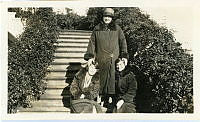
    This is a lecture titled “Classical Taste in the Federal City” written by White House Curator Lorraine Waxman Pearce circa 1963 to 1964. A decorative arts scholar, Pearce graduated from the Winterthur Program in Early American Culture at the University of Delaware in 1958. Shortly after President John F. Kennedy’s inauguration, First Lady Jacqueline Kennedy took steps towards preserving the historic integrity of the White House. In 1961, she created the Fine Arts Committee for the White House, established the White House Historical Association, and hired the first White House Curator—Lorraine Waxman Pearce. Pearce joined the White House in March of 1961. As curator, she oversaw refurbishment projects, implemented collections policies, and collaborated with Mrs. Kennedy to write the first White House guidebook—a joint publication of the National Geographic Society and the White House Historical Association. Since its original publication in 1962, “The White House: An Historic Guide” has been revised, updated, and printed for over 60 years. During her time in the White House, Pearce spoke at society luncheons, academic seminars, and other engagements about the White House restoration project. After her resignation from the White House, Pearce taught private fine and decorative art history classes in Washington, D.C. This lecture is part of the Lorraine Waxman Pearce Collection. Lorraine Waxman Pearce served as the first White House Curator from 1961 to 1962.
  • "The Creation of the President's House," Lorraine Waxman Pearce Collection
    Lorraine Waxman Pearce
    staff
    documents
    Residence staff
    speeches & lectures
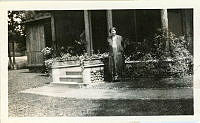
    This is a lecture titled “The Creation of the President’s House” written by White House Curator Lorraine Waxman Pearce circa 1962. A decorative arts scholar, Pearce graduated from the Winterthur Program in Early American Culture at the University of Delaware in 1958. Shortly after President John F. Kennedy’s inauguration, First Lady Jacqueline Kennedy took steps towards preserving the historic integrity of the White House. In 1961, she created the Fine Arts Committee for the White House, established the White House Historical Association, and hired the first White House Curator—Lorraine Waxman Pearce. Pearce joined the White House in March of 1961. As curator, she oversaw refurbishment projects, implemented collections policies, and collaborated with Mrs. Kennedy to write the first White House guidebook—a joint publication of the National Geographic Society and the White House Historical Association. Since its original publication in 1962, “The White House: An Historic Guide” has been revised, updated, and printed for over 60 years. During her time in the White House, Pearce spoke at society luncheons, academic seminars, and other engagements about the White House restoration project. After her resignation from the White House, Pearce taught private fine and decorative art history classes in Washington, D.C. This lecture is part of the Lorraine Waxman Pearce Collection. Lorraine Waxman Pearce served as the first White House Curator from 1961 to 1962.
  • "The Creation of the President's House," Lorraine Waxman Pearce Collection
    Lorraine Waxman Pearce
    staff
    documents
    Residence staff
    speeches & lectures
    This is a lecture titled “The Creation of the President’s House” written by White House Curator Lorraine Waxman Pearce circa 1962. A decorative arts scholar, Pearce graduated from the Winterthur Program in Early American Culture at the University of Delaware in 1958. Shortly after President John F. Kennedy’s inauguration, First Lady Jacqueline Kennedy took steps towards preserving the historic integrity of the White House. In 1961, she created the Fine Arts Committee for the White House, established the White House Historical Association, and hired the first White House Curator—Lorraine Waxman Pearce. Pearce joined the White House in March of 1961. As curator, she oversaw refurbishment projects, implemented collections policies, and collaborated with Mrs. Kennedy to write the first White House guidebook—a joint publication of the National Geographic Society and the White House Historical Association. Since its original publication in 1962, “The White House: An Historic Guide” has been revised, updated, and printed for over 60 years. During her time in the White House, Pearce spoke at society luncheons, academic seminars, and other engagements about the White House restoration project. After her resignation from the White House, Pearce taught private fine and decorative art history classes in Washington, D.C. This lecture is part of the Lorraine Waxman Pearce Collection. Lorraine Waxman Pearce served as the first White House Curator from 1961 to 1962.
  • "The Creation of the President's House," Lorraine Waxman Pearce Collection
    Lorraine Waxman Pearce
    documents
    speeches & lectures
    staff
    Residence staff
    This is a lecture titled “The Creation of the President’s House” written by White House Curator Lorraine Waxman Pearce circa 1962. A decorative arts scholar, Pearce graduated from the Winterthur Program in Early American Culture at the University of Delaware in 1958. Shortly after President John F. Kennedy’s inauguration, First Lady Jacqueline Kennedy took steps towards preserving the historic integrity of the White House. In 1961, she created the Fine Arts Committee for the White House, established the White House Historical Association, and hired the first White House Curator—Lorraine Waxman Pearce. Pearce joined the White House in March of 1961. As curator, she oversaw refurbishment projects, implemented collections policies, and collaborated with Mrs. Kennedy to write the first White House guidebook—a joint publication of the National Geographic Society and the White House Historical Association. Since its original publication in 1962, “The White House: An Historic Guide” has been revised, updated, and printed for over 60 years. During her time in the White House, Pearce spoke at society luncheons, academic seminars, and other engagements about the White House restoration project. After her resignation from the White House, Pearce taught private fine and decorative art history classes in Washington, D.C. This lecture is part of the Lorraine Waxman Pearce Collection. Lorraine Waxman Pearce served as the first White House Curator from 1961 to 1962.
  • "The Creation of the President's House," Lorraine Waxman Pearce Collection
    Lorraine Waxman Pearce
    documents
    speeches & lectures
    staff
    Residence staff
    This is a lecture titled “The Creation of the President’s House” written by White House Curator Lorraine Waxman Pearce circa 1962. A decorative arts scholar, Pearce graduated from the Winterthur Program in Early American Culture at the University of Delaware in 1958. Shortly after President John F. Kennedy’s inauguration, First Lady Jacqueline Kennedy took steps towards preserving the historic integrity of the White House. In 1961, she created the Fine Arts Committee for the White House, established the White House Historical Association, and hired the first White House Curator—Lorraine Waxman Pearce. Pearce joined the White House in March of 1961. As curator, she oversaw refurbishment projects, implemented collections policies, and collaborated with Mrs. Kennedy to write the first White House guidebook—a joint publication of the National Geographic Society and the White House Historical Association. Since its original publication in 1962, “The White House: An Historic Guide” has been revised, updated, and printed for over 60 years. During her time in the White House, Pearce spoke at society luncheons, academic seminars, and other engagements about the White House restoration project. After her resignation from the White House, Pearce taught private fine and decorative art history classes in Washington, D.C. This lecture is part of the Lorraine Waxman Pearce Collection. Lorraine Waxman Pearce served as the first White House Curator from 1961 to 1962.
  • "Charles Honoré-Lannuier: French Ebeniste in America," Lorraine Waxman Pearce Collection
    Lorraine Waxman Pearce
    documents
    speeches & lectures
    staff
    Residence staff
    This is a lecture titled “Charles Honoré-Lannuier: French Ebeniste in America” written by White House Curator Lorraine Waxman Pearce. A decorative arts scholar, Pearce graduated from the Winterthur Program in Early American Culture at the University of Delaware in 1958. Shortly after President John F. Kennedy’s inauguration, First Lady Jacqueline Kennedy took steps towards preserving the historic integrity of the White House. In 1961, she created the Fine Arts Committee for the White House, established the White House Historical Association, and hired the first White House Curator—Lorraine Waxman Pearce. Pearce joined the White House in March of 1961. As curator, she oversaw refurbishment projects, implemented collections policies, and collaborated with Mrs. Kennedy to write the first White House guidebook—a joint publication of the National Geographic Society and the White House Historical Association. Since its original publication in 1962, “The White House: An Historic Guide” has been revised, updated, and printed for over 60 years. During her time in the White House, Pearce spoke at society luncheons, academic seminars, and other engagements about the White House restoration project. After her resignation from the White House, Pearce taught private fine and decorative art history classes in Washington, D.C. This lecture is part of the Lorraine Waxman Pearce Collection. Lorraine Waxman Pearce served as the first White House Curator from 1961 to 1962.
  • "Charles Honoré-Lannuier: French Ebeniste in America," Lorraine Waxman Pearce Collection
    Lorraine Waxman Pearce
    documents
    speeches & lectures
    staff
    Residence staff
    This is ecture titled “Charles Honoré-Lannuier: French Ebeniste in America” written by White House Curator Lorraine Waxman Pearce. A decorative arts scholar, Pearce graduated from the Winterthur Program in Early American Culture at the University of Delaware in 1958. Shortly after President John F. Kennedy’s inauguration, First Lady Jacqueline Kennedy took steps towards preserving the historic integrity of the White House. In 1961, she created the Fine Arts Committee for the White House, established the White House Historical Association, and hired the first White House Curator—Lorraine Waxman Pearce. Pearce joined the White House in March of 1961. As curator, she oversaw refurbishment projects, implemented collections policies, and collaborated with Mrs. Kennedy to write the first White House guidebook—a joint publication of the National Geographic Society and the White House Historical Association. Since its original publication in 1962, “The White House: An Historic Guide” has been revised, updated, and printed for over 60 years. During her time in the White House, Pearce spoke at society luncheons, academic seminars, and other engagements about the White House restoration project. After her resignation from the White House, Pearce taught private fine and decorative art history classes in Washington, D.C. This lecture is part of the Lorraine Waxman Pearce Collection. Lorraine Waxman Pearce served as the first White House Curator from 1961 to 1962.

  • "Charles Honoré-Lannuier: French Ebeniste in America," Lorraine Waxman Pearce Collection
    Lorraine Waxman Pearce
    documents
    speeches & lectures
    staff
    Residence staff
    This is a lecture titled “Charles Honoré-Lannuier: French Ebeniste in America” written by Lorraine Waxman Pearce. A decorative arts scholar, Pearce graduated from the Winterthur Program in Early American Culture at the University of Delaware in 1958. Shortly after President John F. Kennedy’s inauguration, First Lady Jacqueline Kennedy took steps towards preserving the historic integrity of the White House. In 1961, she created the Fine Arts Committee for the White House, established the White House Historical Association, and hired the first White House Curator—Lorraine Waxman Pearce. Pearce joined the White House in March of 1961. As curator, she oversaw refurbishment projects, implemented collections policies, and collaborated with Mrs. Kennedy to write the first White House guidebook—a joint publication of the National Geographic Society and the White House Historical Association. Since its original publication in 1962, “The White House: An Historic Guide” has been revised, updated, and printed for over 60 years. During her time in the White House, Pearce spoke at society luncheons, academic seminars, and other engagements about the White House restoration project. After her resignation from the White House, Pearce taught private fine and decorative art history classes in Washington, D.C. This lecture is part of the Lorraine Waxman Pearce Collection. Lorraine Waxman Pearce served as the first White House Curator from 1961 to 1962.
  • "The Distinctive Character of the Work of Lannuier," Lorraine Waxman Pearce Collection
    Lorraine Waxman Pearce
    documents
    speeches & lectures
    staff
    Residence staff
    This is a lecture titled “The Distinctive Character of the Work of Lannuier” written by White House Curator Lorraine Waxman Pearce. A decorative arts scholar, Pearce graduated from the Winterthur Program in Early American Culture at the University of Delaware in 1958. During her time in the White House, Pearce spoke at society luncheons, academic seminars, and other engagements about the White House restoration project. After her resignation from the White House, Pearce taught private fine and decorative art history classes in Washington, D.C. This lecture is part of the Lorraine Waxman Pearce Collection. Lorraine Waxman Pearce served as the first White House Curator from 1961 to 1962. As curator, she oversaw refurbishment projects, implemented collections policies, and collaborated with First Lady Jacqueline Kennedy to write the first White House guidebook—a joint publication of the National Geographic Society and the White House Historical Association. Since its original publication in 1962, “The White House: An Historic Guide” has been revised, updated, and printed for over 60 years.
  • "Neoclassical Tastes in American Furniture: the Federal and Empire Styles," Lorraine Waxman Pearce Collection
    Lorraine Waxman Pearce
    documents
    speeches & lectures
    staff
    Residence staff
    This is a lecture titled “Neo-classical tastes in American Furniture: The Federal and Empire Styles” written by White House Curator Lorraine Waxman Pearce for a lecture on October 15, 1962. A decorative arts scholar, Pearce graduated from the Winterthur Program in Early American Culture at the University of Delaware in 1958. During her time in the White House, Pearce spoke at society luncheons, academic seminars, and other engagements about the White House restoration project. After her resignation from the White House, Pearce taught private fine and decorative art history classes in Washington, D.C. This lecture is part of the Lorraine Waxman Pearce Collection. Lorraine Waxman Pearce served as the first White House Curator from 1961 to 1962. As curator, she oversaw refurbishment projects, implemented collections policies, and collaborated with First Lady Jacqueline Kennedy to write the first White House guidebook—a joint publication of the National Geographic Society and the White House Historical Association. Since its original publication in 1962, “The White House: An Historic Guide” has been revised, updated, and printed for over 60 years.
  • Charles Henlock, White House Gardener
    Harris & Ewing
    staff
    Residence staff
    This photograph of Charles Henlock, White House gardener, was taken circa 1931. Henlock arrived in the United States from England in 1886, the same year he began working at the White House as a laborer. He was eventually promoted to head gardener, where he oversaw the gardens and grounds and managed the propagation of plants in the White House Conservatory. With the demolition of the Conservatory in 1902 to make way for the construction of the West Wing, Henlock moved to the greenhouses' new location on the National Mall. Henlock worked with several first ladies to select the florals for everything from formal events like State Dinners and Inaugural Balls to everyday decorations around the White House. Henlock was also involved with annual events on the White House Grounds like the White House Easter Egg Roll and the lighting of the National Christmas tree. Later in his career, Henlock was promoted to chief of the Horticultural Division of the Office of Public Buildings and Public Parks, overseeing the hundreds of thousands of plants around Washington, D.C. He was well-known for his estimating the peak bloom for the cherry blossom trees surrounding the Tidal Basin in Washington. In 1931, following 45 years of service, Henlock left his role due to the Civil Service Commission regulations outlining mandatory retirement. He then served the White House gardens in an advisory capacity until his death in 1934.
  • Mrs. Clinton and Pastry Chefs with 1993 Gingerbread House
    Unknown
    winter holidays
    staff
    gingerbread
    food & drink
    decorations
    State Floor
    State Dining Room
    Christmas
    Residence staff
    This is a photograph of First Lady Hillary Rodham Clinton, White House Executive Pastry Chef Roland Mesnier, and pastry chef Franette McCulloch with the 1993 official White House Gingerbread House that was dubbed the "House of Socks". It was created by Chef Mesnier in honor of President Bill Clinton and Mrs. Clinton's cat, Socks. The gingerbread house is a to-scale replica of White House complete with 20 marzipan versions of Socks playing around the house. The architectural details were created with carefully pipped icing and illuminated with working miniature floodlights. This photograph is part of a personal collection belonging to former White House Executive Pastry Chef Roland Mesnier. Chef Mesnier created elaborate desserts for the White House from 1980 to 2004.
  • Chef Roland Mesnier Collection Composite
    White House Historical Association
    holidays
    gingerbread
    food & drink
    decorations
    WHHA
    State Visit
    State Floor
    State Dinner
    Residence Staff
    Kitchen
    Ground Floor
    Family Dining Room
    State Dining Room
    celebrations
    winter holidays
    Christmas
    This composite is a compilation of photographs from the Chef Roland Mesnier Collection. White House Executive Pastry Chef Roland Mesnier created elaborate desserts for the White House from 1980 to 2004. This composite may only be used for press and publicity purposes related to the collection. All other uses must be approved by the White House Historical Association in writing.
  • President Clinton Receiving a Briefing in the Situation Room
    Central Intelligence Agency
    West Wing
    Situation Room
    staff
    staff of FLOTUS and POTUS
    This photograph is of President Bill Clinton receiving a briefing in the Situation Room from Amb. Richard C. Holbrooke, Chairman Joint Chiefs of Staff Gen. John M. Shalikashvili, Secretary of Defense William James Perry, Vice President Al Gore, chief of staff Leon E. Panetta, Office of Management and Budget director Alice M. Rivlin, and others on February 20, 1996.
  • President Johnson Reviews a Relief Map
    Yochi R. Okamoto
    West Wing
    Situation Room
    staff
    staff of FLOTUS and POTUS
    This photograph is of President Lyndon B. Johnson, National Security Advisor Walt Whitman Rostow, and others looking at a relief map of the Khe Sanh, Vietnam. From left to right are White House press secretary George Christian, President Johnson, Gen. Robert N. Ginsburgh, and Rostow. It was taken in the Situation Room by Yoichi R. Okamoto on February 15, 1968.
  • White House Switchboard Operators
    Len Vaughn-Lahman
    staff
    Eisenhower Executive Office Building
    Residence staff
    This photograph of White House switchboard operators was taken in June 1975 by Len Lahman during the Gerald R. Ford administration. The operators worked in the Old Executive Office Building, which was rededicated as the Eisenhower Executive Office Building by President George W. Bush in 2002. The ten-position Western Electric switchboard was installed in 1963. Switchboard operators answered thousands of calls every day.
  • Food Preparations in White House Kitchen
    Joseph J. Scherschel
    staff
    food & drink
    Kitchen
    Ground Floor
    Residence staff
    This photograph of White House Executive Chef Henry Haller was taken in April 1970 by Joseph J. Scherschel during the administration of Richard M. Nixon. Here, Chef Haller prepares beef Wellington. The White House Kitchen is located on the Ground Floor of the Executive Mansion.
  • President Ford Discusses Aid to Cambodia with Senators and Advisors
    Bruce Dale
    staff of FLOTUS and POTUS
    staff
    West Wing
    Oval Office
    Congress
    In this photograph, taken March 6, 1975 by Bruce Dale, President Gerald R. Ford meets with United States Senators and advisors to discuss aid to Cambodia. Senator Hubert H. Humphrey of Minnesota; Senator Clifford P. Case of New Jersey; Senator John Sparkman of Alabama; John Ortho Marsh, Jr., counselor to the president; Max Friedersdorf, White House assistant for Congressional Relations; Lt. Gen. Brent Snowcroft, deputy assistant to the president for National Security Affairs; and William T. Kendall, deputy assistant for Legislative Affairs. Earlier, Humphrey had served as Vice President of the United States under President Lyndon B. Johnson.
  • Robert Redford Visits West Wing Staff
    Bruce Dale
    staff
    White House Guests
    West Wing
    staff of FLOTUS and POTUS
    This photograph of members of the West Wing staff meeting with actor Robert Redford was taken on March 6, 1975 by Bruce Dale during the administration of Gerald R. Ford. The group met with the actor in an office in the West Wing. President Ford's daughter, Susan Ford, and press secretary Ron Nessen were also on hand for the meeting.
  • Mrs. Carter Works in her East Wing Office
    Unknown
    East Wing
    staff
    staff of FLOTUS and POTUS
    In this photograph, First Lady Rosalynn Carter works in her East Wing office on March 17, 1977. Seated at her desk, Mrs. Carter is captured alongside her personal assistant, Madeline McBean. Mrs. Carter was credited with establishing the Office of the First Lady through the passing of the White House Personnel Authorization Act of 1978. Previously, there had been no formal allocation of staff and resources to support the work of the first lady.